Introduction — The Harsh Reality: 99% of Deals Collapse Long Before DIP Test
In the global EN590, Jet A1, and D6 market, almost every deal fails before reaching DIP test.
Buyers believe the seller is fake.
Sellers believe the buyer has no money.
Brokers send recycled PDF POPs.
Terminals reject buyer tanks.
SPA negotiations break down.
Compliance kills the file.
Everyone points fingers.
But the truth is simple:
Real petroleum transactions fail because buyers, sellers, and intermediaries do not understand the institutional steps required before DIP test — the very steps that refineries, terminals, and major trading houses consider non-negotiable.
This article exposes, for the first time, the hidden institutional reasons why deals collapse before inspection — reasons brokers never explain… because most of them don’t know.
You will learn:
The 12 hidden factors that kill deals
The real institutional process before DIP test
Why real sellers refuse early POP
How to identify real buyers
How tanks are validated
Why terminals reject most requests
How NNRV protects the deal from collapsing
Let’s break the silence.
SECTION 1 — The Institutional Context No One Talks About
1.1 Petroleum Transactions Are Legal, Not Informal
EN590 and Jet A1 transactions involve:
Terminals (Vopak, Oiltanking, VTTI)
SGS/Intertek/Saybolt inspectors
Refinery allocation offices
Port authority compliance
SWIFT MT103/799/760 messaging
Sanctions and AML control
This is not WhatsApp trading.
Transactions must comply with:
OFAC regulations
EU sanctions
FATF AML rules
Basel III banking procedures
Terminal anti-fraud protocols
This complexity explains why 99% of “market” offers fail.
Most buyers are not prepared.
Most intermediaries are not trained.
Most sellers are not legitimate.
1.2 DIP Test Is the Most Controlled Step — Not the First Step
Most inexperienced buyers demand:
“DIP before SPA”
“Full POP before ICPO”
“Seller must show tank numbers immediately”
In institutional reality:
DIP test is the end of verification, not the beginning.
DIP is authorized only after SPA + DTA + terminal clearance.
POP is released after compliance, not before.
This misunderstanding alone kills 60% of deals.
1.3 Terminals Are the Gatekeepers — Not the Seller
Terminals enforce:
Safety rules
Gate pass permits
Tank ownership verification
Authorized party access
ICS/ISPS security clearance
Terminals are not “open for verification.”
They authorize DIP only when:
Buyer is verified
Seller is compliant
SPA is active
DTA is issued
Inspector is approved
Most deals fail because buyers believe DIP is “just a simple check.”
It is not.
SECTION 2 — The 12 Hidden Reasons Why Deals Fail Before DIP Test
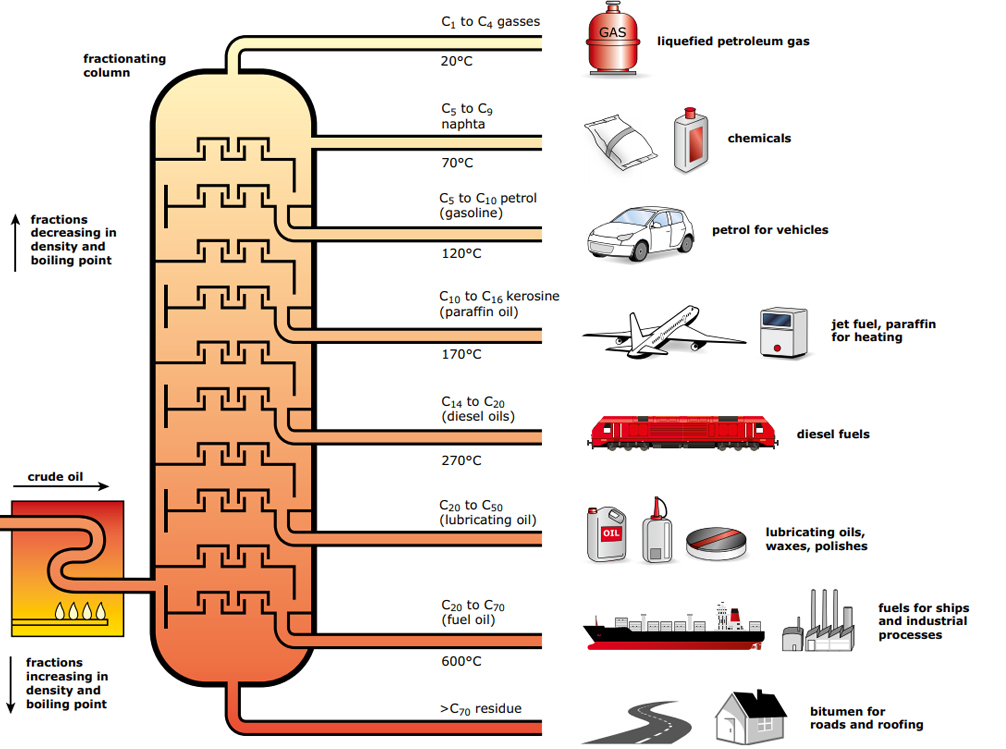


Below are the 12 real institutional reasons deals collapse — the hidden truth.
1. Fake or Recycled POP Documents
95% of POP packages circulating online are:
Stolen
Edited
Outdated
Photoshop-manipulated
Terminated tank contracts
Invalid injection reports
Real sellers NEVER release full POP before SPA.
2. Buyer Tank Is Invalid or Unregistered
Terminals reject like this:
Invalid tank
Wrong operator
Non-compliant tank lease
Tank not accessible
Tank not capable of receiving EN590
No active contract
No valid titleholder attached
This alone kills 40% of deals.
3. Buyer Cannot Pass KYC/AML
Most buyers fail because:
Documents incomplete
Bank statements suspicious
Beneficial owner unclear
Sanctions exposure
Inconsistent company structure
Terminal and seller compliance reject them instantly.
4. Seller Cannot Prove Title
Many “sellers” do not have:
Active tank contract
Valid TSR
Allocation rights
Injection reports
CPA/ATV authorization
Without these, DIP cannot happen.
5. Too Many Brokers in the Chain
More than 3–4 intermediaries = deal collapse.
Why?
Communication breaks
Commission disputes
Misunderstanding of procedure
Wrong information circulating
Sellers stop answering
Buyer loses trust
NNRV always restructures chains to 1–3 maximum.
6. Wrong Expectations About POP Timing
Buyers want:
“Full POP before SPA”
“Tank numbers now”
Real world:
POP after SPA
Coordinates after DTA
Full POP only after compliance
Mismatch kills the file.
7. Buyer Does Not Have Real POF
Many “buyers” are:
Brokers pretending
Traders without capital
Companies without banking capability
People asking for SBLC/LC before proof
Without POF → no DTA → no DIP.
8. SPA Negotiation Fails
Reasons:
Buyer tries to change procedure
Seller refuses buyer’s procedure
Broker miscommunicates
Buyer requests impossible timelines
Commission not aligned
SPA collapses → no DIP test.
9. Mismatched Procedure Expectations
Buyers expect:
DIP before payment
POP before commitment
Discounts unrealistic ($80–$100 below Platts)
Instant terminal access
Institutional sellers reject these demands.
10. Terminal Scheduling Delays
Even real deals fail because:
Terminal is full
SGS is overloaded
Tank slot unavailable
Gate pass backlog
Safety approval pending
Terminals are not controlled by brokers.
11. Fake Mandates & Poor Intermediary Skills
Most intermediaries cannot:
Explain the procedure
Understand the documents
Interpret Q&Q
Explain POF or RWA
Coordinate compliance
Communicate professionally
Their mistakes kill the deal.
12. Misalignment Between Buyer & Seller Jurisdictions
Example issues:
Bank blocked SWIFT
Compliance mismatch
Refusal of foreign corporate structure
Sanctions exposure
Nationality restrictions
Country risk
This is a silent killer of transactions.
SECTION 3 — NNRV Expert Analysis: Why These Problems Exist
3.1 The Market Is 90% Noise, 10% Real
Real sellers are few.
Real buyers are few.
Brokers multiply noise until deals collapse.
3.2 Buyers Are Not Educated on Terminal & Refinery Rules
Most buyers have no technical knowledge of:
Terminal protocols
Tank leasing
Q&Q cycles
DTA processes
Vessel scheduling
NNRV fills these knowledge gaps.
3.3 Sellers Protect Themselves Against Fraud
Real sellers MUST protect:
Tank numbers
Contract references
Q&Q
TSR authenticity
Terminal codes
Releasing POP too early = instant fraud risk.
3.4 Banks Are Extremely Strict in 2025
Banks reject deals over:
Wrong SWIFT formats
Mismatched invoices
Unverified counterparties
Suspicious fund sources
High commission structures
NNRV structures all banking flows correctly.
SECTION 4 — Step-by-Step Institutional Process Before DIP Test
Step 1 — Buyer Submits ICPO (Day 1–3)
KYC + POF + tank details.
Step 2 — Seller Issues SCO (Day 2–5)
Procedure must be accepted.
Step 3 — NCNDA & IMFPA (Day 3–7)
Intermediaries protected.
Step 4 — SPA Issuance (Day 5–12)
Legal framework established.
Step 5 — Partial POP (Day 7–14)
TSR (redacted), Q&Q, passport, CPA.
Step 6 — DTA Issued (Day 10–16)
Terminal authorizes inspection.
Step 7 — DIP Test (Day 14–20)
SGS/Intertek/Saybolt perform testing.
If any earlier step fails, DIP test cannot happen.
SECTION 5 — Buyers’ & Sellers’ Hidden Questions Answered
10 Buyer Questions
Why can’t I see full POP early?
Why does the seller hide tank numbers?
Why does DIP test take so long?
Why does the seller require SPA first?
Why is terminal access so strict?
Why do brokers avoid giving details?
Why do sellers reject my procedure?
Why does buyer tank validation matter?
Why are Q&Q documents valid for 72h only?
Why does terminal verification require CPA?
10 Seller Questions
How do I avoid fake buyers?
When is the right moment to give partial POP?
What if the buyer insists on DIP first?
How do I validate buyer tanks?
Should I accept buyer procedure?
How do I protect my POP from theft?
When do I release full POP?
When does DTA become valid?
How do I handle too many brokers?
When should SPA be signed?
SECTION 6 — Proof of Institutional Standards
These procedures follow:
Vitol
Trafigura
Mercuria
Gunvor
Glencore
Shell Trading
TotalEnergies Trading
Terminals:
Vopak
Oiltanking
Koole
VTTI
Compliance frameworks:
✔ SGS / Intertek / Saybolt
✔ Basel III
✔ OFAC / EU sanctions
✔ FATF AML
✔ Rotterdam Port Authority Rules
This is the global petroleum standard.
SECTION 7 — Professional CTA (Ultra-Institutional)
**📌 Want Your Deal Reviewed Before It Fails?
NNRV Trade Partners Provides Full Pre-DIP Audit**
Send us:
Your ICPO
Buyer/Seller KYC
Tank details
Any POP or SPA draft
We will:
Detect red flags
Validate tank & terminal access
Confirm seller legitimacy
Clean broker chain
Structure SPA & DTA properly
Prepare the deal for DIP test
Reduce your failure rate from 99% to <10%
📩 info@nnrvtradepartners.com
🌐 www.nnrvtradepartners.com
Mini FAQ (5 Key Questions)
Can NNRV verify a seller in 24h?
Yes.Can I know if a POP is fake?
Send it — we will confirm instantly.Can DIP test happen without SPA?
Never.Can DIP test happen without DTA?
Impossible.Can NNRV coordinate SGS?
Yes — institutional scheduling.
Why Choose NNRV Trade Partners?
Institutional compliance
Access to real allocation holders
Professional POP verification
SPA & DTA structuring
Broker chain optimization
Global terminal access
Anti-fraud protection
Expert guidance from A–Z
Confidential & discreet

About the Author
With extensive experience in international finance, the author structures high-level funding
solutions for governments, private corporations, public–private partnerships (PPP),
and large-scale development projects across energy, infrastructure, real estate,
education, healthcare, agriculture, and humanitarian sectors.
Operating through a global network of top-tier banks, institutional partners,
private capital groups, and regulated financial platforms, the author manages
confidential and compliant strategies involving SBLC, BG, MTN, DLC,
trade finance, structured finance, and monetization frameworks.
All processes follow strict AML/KYC, due diligence, and international regulatory
standards.
The author’s mission is to simplify access to world-class financial knowledge and
bring clarity to complex funding mechanisms, empowering governments, communities,
and project owners to realize transformative initiatives that enhance education,
healthcare, housing, clean energy, and economic development in emerging regions.
Professional Engagement & Confidentiality
All interactions are confidential, conducted with integrity, and aligned with
international compliance protocols.
No public fundraising, investments, or financial solicitations are offered.
Each project is treated with discretion, professionalism, and strategic precision.
Important Legal Disclaimer
This content is strictly educational and informational.
It does not constitute financial advice, investment solicitation, securities
promotion, or an offer to participate in any financial product, instrument, or program.
Any mention of SBLC, BG, MTN, PPP, monetization, structured finance, or trade finance
is purely illustrative and intended to promote understanding of global financing
mechanisms.
All real transactions require independent legal, tax, and regulatory assessments
by qualified professionals.
The objective of these publications is to contribute to global development by
promoting transparency, education, access to funding knowledge, and sustainable
solutions for social welfare, healthcare, housing, and humanitarian progress.
Contact
For confidential professional inquiries:
Email: info@nnrvtradepartners.com