The Hidden Power of Oil Trading Giants in Africa

The global oil industry is often described as being driven by producers such as OPEC nations or multinational oil companies. However, in reality, the true control of physical oil flows lies in the hands of a small group of commodity trading houses.
Companies like Vitol, Trafigura, Gunvor, Glencore, and Mercuria operate behind the scenes, shaping pricing, logistics, financing, and distribution across global markets — and Africa is one of their most strategic regions.
1. Africa: The Core Battlefield of Global Oil Trading
Africa is not just a producer of oil — it is a structural dependency hub for global traders.
Countries such as Nigeria, Angola, Libya, Congo, and Algeria export large volumes of crude oil, but lack sufficient refining capacity. This creates a system where:
- Crude oil is exported at FOB prices
- Refined products are imported at premium prices
- Global traders capture margins on both sides

This structural imbalance gives trading houses enormous influence over African energy systems.
2. The Trading House Business Model
Oil trading companies do not simply buy and sell oil. They operate as hybrid institutions combining banking, logistics, and commodity arbitrage.
Their core activities include:
- Physical crude and refined product trading
- Risk hedging using futures and derivatives markets
- Shipping and chartering operations
- Storage and blending operations
- Trade finance structuring (LC, SBLC, prepayment deals)

3. Why Africa Depends on Global Trading Houses
Despite producing millions of barrels of oil per day, most African countries rely on external traders for commercialization.
This dependency exists due to:
- Limited domestic refining capacity
- Weak national storage infrastructure
- Insufficient shipping fleets
- Lack of global credit access
As a result, global traders act as intermediaries between African producers and global end markets.
4. Financial Power: The Real Engine of Control
The most important advantage of trading giants is not physical infrastructure — but financial power.
Oil trading requires massive liquidity because cargoes often exceed $50–100 million per shipment.
Key financial tools include:
- Letters of Credit (LC)
- Standby Letters of Credit (SBLC)
- Pre-export financing
- Structured commodity finance
Only large trading houses have access to global banking networks capable of supporting such operations.
5. Logistics Dominance and Global Infrastructure
Oil trading is a physical business. Control of infrastructure determines market power.
Global traders control:
- Strategic storage terminals (Rotterdam, Singapore, Fujairah)
- Fleet of chartered tankers and shipping contracts
- Blending facilities for fuel optimization
- Distribution hubs in African ports
This infrastructure allows them to move oil efficiently across continents while capturing arbitrage margins.
6. Information Advantage: The Invisible Weapon
Trading houses invest heavily in market intelligence systems.
They track:
- Global crude production levels
- Refinery maintenance schedules
- Weather disruptions affecting shipping
- Geopolitical tensions and sanctions

This allows them to anticipate price movements and secure arbitrage opportunities before smaller traders can react.
7. Africa’s Emerging Trading Ecosystem
Despite global dominance, Africa is developing its own trading capacity.
Key growth areas include:
- Regional fuel distribution companies
- Local storage and depot operators
- Private refinery development (Dangote, Angola projects)
- Cross-border trading under AfCFTA
These developments signal a gradual shift toward regional autonomy in fuel markets.
8. Case Study: West Africa Fuel Imports
West Africa is one of the most import-dependent fuel markets in the world.
Countries such as Ghana, Ivory Coast, Senegal, and Nigeria import large volumes of refined petroleum products.
Global traders supply:
- Gasoline (PMS)
- Diesel (AGO)
- Jet fuel (Jet A1)
These products are often sourced, blended, and shipped through complex international trading routes controlled by major firms.
9. The Role of National Oil Companies (NOCs)
African NOCs play a critical role but often rely on external partners.
Their functions include:
- Managing production licenses
- Allocating crude export volumes
- Partnering with trading firms for commercialization
However, lack of financing and infrastructure limits their ability to bypass global traders.
10. Structural Challenges for African Traders
Key barriers include:
- Limited access to international credit lines
- Regulatory and compliance challenges (FCPA, AML)
- Infrastructure gaps in storage and logistics
- Dependence on external shipping fleets

11. The Future: Competition or Integration?
The future of African oil trading will likely not be defined by direct competition with global giants, but by integration into their networks.
Three scenarios are emerging:
- Regional dominance by African traders
- Joint ventures with global trading houses
- Gradual infrastructure independence
Conclusion
Global oil trading is controlled by a small group of powerful firms with unmatched access to finance, logistics, and information. Africa remains a strategic but dependent market.
However, with the rise of new refineries, regional trade agreements, and infrastructure investment, the balance of power may slowly evolve over the next decade.
Final Insight
The real power in oil trading is not oil itself — it is control of flow, finance, and timing. Until African traders close that gap, global trading houses will remain dominant actors in the energy ecosystem.
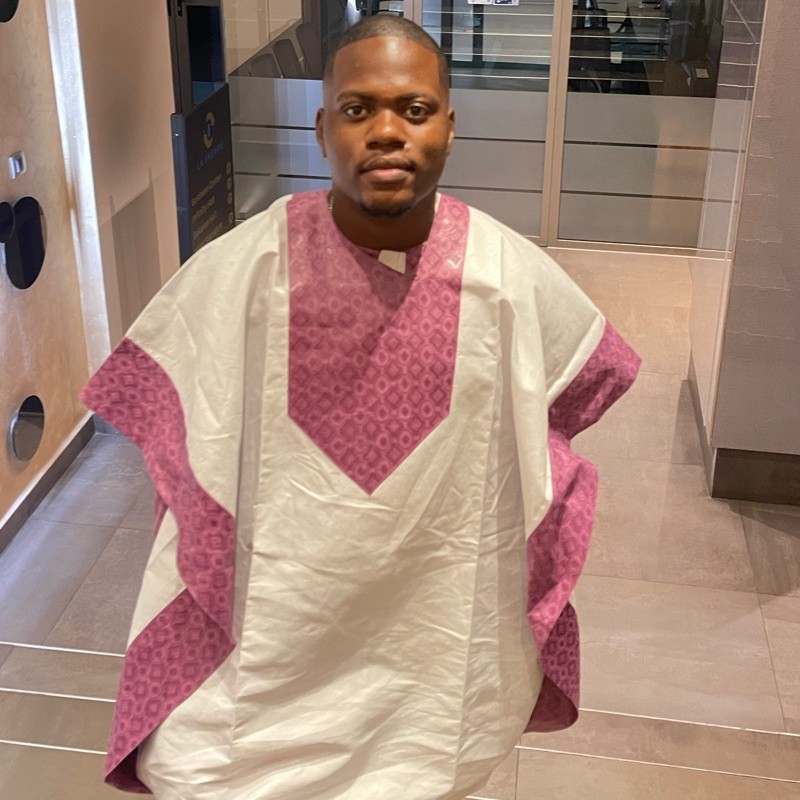
About the Author
With extensive experience in international finance, the author structures high-level funding
solutions for governments, private corporations, public–private partnerships (PPP),
and large-scale development projects across energy, infrastructure, real estate,
education, healthcare, agriculture, and humanitarian sectors.
Operating through a global network of top-tier banks, institutional partners,
private capital groups, and regulated financial platforms, the author manages
confidential and compliant strategies involving SBLC, BG, MTN, DLC,
trade finance, structured finance, and monetization frameworks.
All processes follow strict AML/KYC, due diligence, and international regulatory
standards.
The author’s mission is to simplify access to world-class financial knowledge and
bring clarity to complex funding mechanisms, empowering governments, communities,
and project owners to realize transformative initiatives that enhance education,
healthcare, housing, clean energy, and economic development in emerging regions.
Professional Engagement & Confidentiality
All interactions are confidential, conducted with integrity, and aligned with
international compliance protocols.
No public fundraising, investments, or financial solicitations are offered.
Each project is treated with discretion, professionalism, and strategic precision.
Important Legal Disclaimer
This content is strictly educational and informational.
It does not constitute financial advice, investment solicitation, securities
promotion, or an offer to participate in any financial product, instrument, or program.
Any mention of SBLC, BG, MTN, PPP, monetization, structured finance, or trade finance
is purely illustrative and intended to promote understanding of global financing
mechanisms.
All real transactions require independent legal, tax, and regulatory assessments
by qualified professionals.
The objective of these publications is to contribute to global development by
promoting transparency, education, access to funding knowledge, and sustainable
solutions for social welfare, healthcare, housing, and humanitarian progress.
Contact
For confidential professional inquiries:
Email: info@nnrvtradepartners.com

All the best
Wish you happiness
Every day is a new beginning
Hahahaha You are so good