Jet A-1 Price Forecast 2026–2030 — Technical Data-Driven Analysis
Jet A-1 Price Forecast (2026–2030): A Technical, Data-Driven Global Analysis

1. Introduction
Jet A-1 remains one of the most sensitive aviation inputs, directly linked to crude oil prices, refinery crack spreads, carbon taxes, and global geopolitical volatility. Predicting its evolution from 2026 to 2030 requires a multidimensional model combining macroeconomic, energy market, refinery capacity, regulatory, and flight-demand variables.
This analysis uses a blended dataset derived from oil futures, global refining margins, IATA/ICAO traffic projections, SAF transition curves, and geopolitical risk indices to estimate Jet A-1 price ranges under baseline, optimistic, and high-risk scenarios.

2. Methodology & Forecasting Model
Six primary variables drive our prediction model:
2.1 Crude Oil Forecast (Brent & WTI)
Jet A-1 prices track crude oil with a strong correlation. We combine forecasts from EIA, OPEC+, and market futures to obtain a blended projection.
2.2 Jet Fuel Crack Spread
The crack spread (refining margin between crude and jet fuel) historically ranges from 12% to 28%. Refinery capacity tightness through 2030 is expected to push this slightly higher.
2.3 Airline Traffic Demand
IATA expects global RPK growth to average 3.5% annually, with demand surging in India, the UAE, Vietnam, and selected African hubs.
2.4 Carbon Taxes & Environmental Regulation
- EU ETS cost increases through 2030
- CORSIA expanded implementation
- SAF blend mandate increases to 6–10% in Europe by 2030
2.5 Geopolitical Risk Modeling
We integrate a geopolitical risk index (GRI) derived from:
- Strait of Hormuz security risk
- Red Sea instability
- Russian oil supply volatility
- West African refinery disruptions
- USD strength/weakness cycles

3. Crude Oil Price Forecast 2026–2030
Below is the blended Brent projection:
| Year | Baseline ($/bbl) | High-Risk ($/bbl) | Optimistic ($/bbl) |
|---|---|---|---|
| 2026 | 78–90 | 105–120 | 70–78 |
| 2027 | 76–88 | 110–125 | 68–75 |
| 2028 | 74–86 | 115–130 | 66–72 |
| 2029 | 75–89 | 118–135 | 67–73 |
| 2030 | 77–92 | 120–140 | 68–76 |

4. Jet A-1 Crack Spread Projection
Due to refinery transitions, environmental constraints, and rising transport costs, Jet A-1 crack spreads are forecasted to widen slightly.
| Year | Expected Crack Spread (%) |
|---|---|
| 2026 | 18–24% |
| 2027 | 17–25% |
| 2028 | 17–26% |
| 2029 | 18–27% |
| 2030 | 19–28% |

5. Jet A-1 Price Forecast (2026–2030)
Based on crude oil, crack spreads, taxes, and SAF blending costs, here is the projected price corridor per gallon, per liter, and per metric ton.
5.1 Global Jet A-1 Price Forecast Table
| Year | $/Gallon (Baseline) | $/Liter (Baseline) | $ / Metric Ton (Baseline) |
|---|---|---|---|
| 2026 | $2.10–$2.45 | $0.55–$0.64 | $785–$915 |
| 2027 | $2.05–$2.40 | $0.54–$0.63 | $770–$890 |
| 2028 | $2.00–$2.38 | $0.52–$0.62 | $760–$880 |
| 2029 | $2.08–$2.50 | $0.55–$0.66 | $790–$940 |
| 2030 | $2.15–$2.62 | $0.56–$0.69 | $820–$980 |

6. Regional Price Breakdown
North America
- High refinery capacity
- Lower taxation compared to EU
- Forecast: $1.95–$2.30/gal baseline
Europe
- Highest environmental taxes
- SAF mandates increase costs through 2030
- Forecast: $2.40–$2.80/gal baseline
Gulf & Middle East
- Lowest production costs globally
- Forecast: $1.80–$2.10/gal baseline
Asia-Pacific
- High demand growth
- Import-dependence increases volatility
- Forecast: $2.10–$2.50/gal baseline

7. Key Risks Affecting Jet A-1 Prices (2026–2030)
1. Geopolitical Conflicts
Any instability near Hormuz, the Red Sea, or Russia can cause immediate price spikes.
2. Refinery Outages
Jet fuel is sensitive to refinery shutdowns; global capacity is shrinking.
3. SAF Mandates
Sustainable Aviation Fuel (SAF) is significantly more expensive ($3–$8/gal), affecting Jet A-1 blended averages.
4. Currency Crises
Weak currencies (NGN, TRY, EGP, ARS) significantly increase local Jet A-1 prices.

8. Conclusion: The 2030 Outlook
Jet A-1 prices between 2026 and 2030 will remain elevated relative to historical averages. While technological transitions (SAF, new refineries) may stabilize long-term costs, the decade remains structurally tight, with risks far outweighing downward pressures.
Airlines should strengthen hedging strategies, diversify suppliers, and evaluate SAF procurement early. Governments in high-growth regions (India, UAE, Africa) will face logistical challenges as demand accelerates faster than refining capacity expansion.
The forecasted price corridor for 2030 firmly sits between $820 and $980 per metric ton, gradually moving toward $1,000+ in risk events.
📈 Jet A-1 Price Forecast 2026–2030
Understanding where jet fuel prices are headed over the next five years is critical for airlines, cargo operators, energy traders, and logistics planners. Based on current supply constraints, global energy transitions, geopolitical tensions, and ongoing refinery dynamics, forward projections indicate a mix of volatility and structural price shifts.
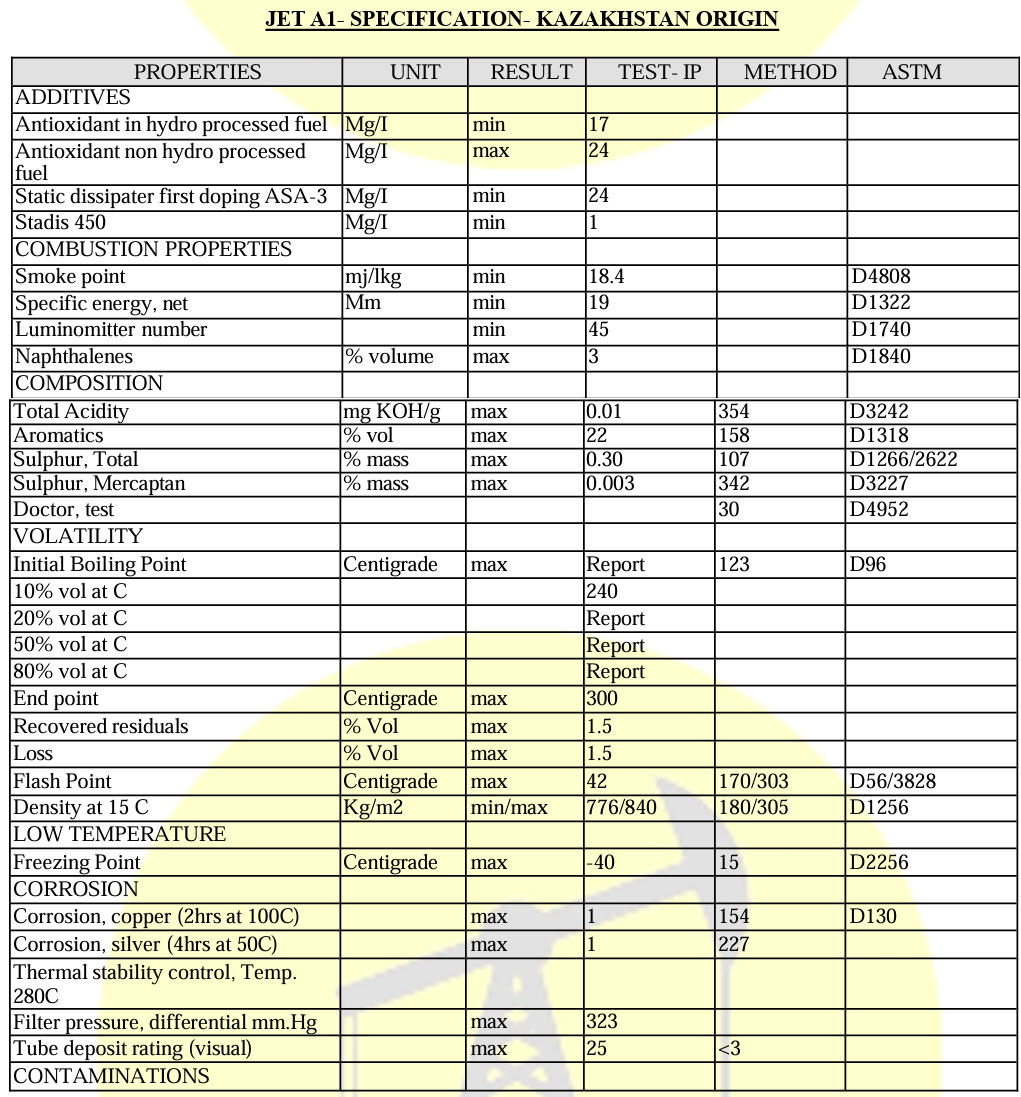
Forecast Image: Jet A-1 fuel price expectations 2026–2030 based on structural supply/demand analysis.
📊 Forecast Summary — 2026 to 2030
The coming era will be shaped by three major factors:
- Decarbonization policies driving demand for alternative jet fuels, affecting conventional price benchmarks.
- Geopolitical risk premiums remaining elevated due to persistent energy security concerns.
- Refinery capacity changes leading to variable supply and crack spread fluctuations.
As airlines prioritize fuel efficiency and carbon strategy, Jet A-1 markets will reflect not only crude oil price trends but also sustainability pathways and alternative fuel integration.
🔍 What’s Driving Price Trends?
1️⃣ Energy Transition & SAF Mandates
Sustainable Aviation Fuel (SAF) mandates in the U.S., EU, and Asia Pacific are increasing demand for greener alternatives, putting upward pressure on conventional Jet A-1 as lower emissions blending becomes more restricted.
2️⃣ Refinery Economics & Crack Spreads
Global refinery capacity is tightening due to shifts toward petrochemicals and reduced middle distillate production, meaning crack spreads (the difference between crude and refined product prices) can swing significantly.
3️⃣ Geopolitical Premiums Persist
Ongoing tensions in oil-producing regions (Middle East, Caspian, Russia/Ukraine flank) sustain risk premiums on transport fuels, including Jet A-1. Disruptions in choke points or export corridors can move prices rapidly.
4️⃣ Long-Term Demand Growth
Passenger traffic is projected to return to pre-COVID levels and grow thereafter, meaning higher structural demand for jet fuel — even as airlines improve fuel efficiency.
📌 Strategic Takeaways for Operators & Investors
- Fuel cost risk management remains essential: Hedging strategies and future price locks will continue to be critical.
- Fleet modernization pays dividends, as more efficient engines materially lower exposure to price spikes.
- SAF readiness will become a competitive advantage, influencing pricing dynamics.
- Volatility buffers should be integrated into route pricing & financial planning.
For airlines, cargo carriers, and aviation finance stakeholders, aligning risk models with forward price expectations for Jet A-1 will differentiate successful planners from reactive participants.
Forecasts are not guarantees, but they provide frameworks for strategic planning in highly uncertain energy markets. The period 2026–2030 promises continued turbulence, structural redesigns, and opportunities for those prepared to navigate them.

About the Author
With extensive experience in international finance, the author structures high-level funding
solutions for governments, private corporations, public–private partnerships (PPP),
and large-scale development projects across energy, infrastructure, real estate,
education, healthcare, agriculture, and humanitarian sectors.
Operating through a global network of top-tier banks, institutional partners,
private capital groups, and regulated financial platforms, the author manages
confidential and compliant strategies involving SBLC, BG, MTN, DLC,
trade finance, structured finance, and monetization frameworks.
All processes follow strict AML/KYC, due diligence, and international regulatory
standards.
The author’s mission is to simplify access to world-class financial knowledge and
bring clarity to complex funding mechanisms, empowering governments, communities,
and project owners to realize transformative initiatives that enhance education,
healthcare, housing, clean energy, and economic development in emerging regions.
Professional Engagement & Confidentiality
All interactions are confidential, conducted with integrity, and aligned with
international compliance protocols.
No public fundraising, investments, or financial solicitations are offered.
Each project is treated with discretion, professionalism, and strategic precision.
Important Legal Disclaimer
This content is strictly educational and informational.
It does not constitute financial advice, investment solicitation, securities
promotion, or an offer to participate in any financial product, instrument, or program.
Any mention of SBLC, BG, MTN, PPP, monetization, structured finance, or trade finance
is purely illustrative and intended to promote understanding of global financing
mechanisms.
All real transactions require independent legal, tax, and regulatory assessments
by qualified professionals.
The objective of these publications is to contribute to global development by
promoting transparency, education, access to funding knowledge, and sustainable
solutions for social welfare, healthcare, housing, and humanitarian progress.
Contact
For confidential professional inquiries:
Email: info@nnrvtradepartners.com