Introduction — The Most Misunderstood Rule in Petroleum Trading
Every serious buyer wants to “go direct to the refinery.”
Yet 99% of refineries will never speak to a retail buyer, mandate, or intermediary.
Why?
Because refineries operate under:
Strict chain-of-command protocols
Corporate governance rules
Sensitive contractual obligations
Security & compliance requirements
Pre-approved dealer & allocation structures
Zero-tolerance anti-fraud policies
When a buyer tries to approach a refinery directly, they unknowingly:
❌ Break refinery compliance rules
❌ Violate the refinery’s internal procurement structure
❌ Trigger security alerts (AML/KYC conflict)
❌ Appear unprofessional or unqualified
❌ Get automatically blacklisted
❌ Lose access to legitimate supply channels
❌ Signal to the refinery that they do not understand how the industry works
This article explains exactly why buyers must never contact refineries directly, how refinery chain-of-command works, and how to position yourself as a credible buyer through institutional channels like NNRV Trade Partners.
SECTION 1 — The Real Structure of a Refinery (Not the Social Media Version)
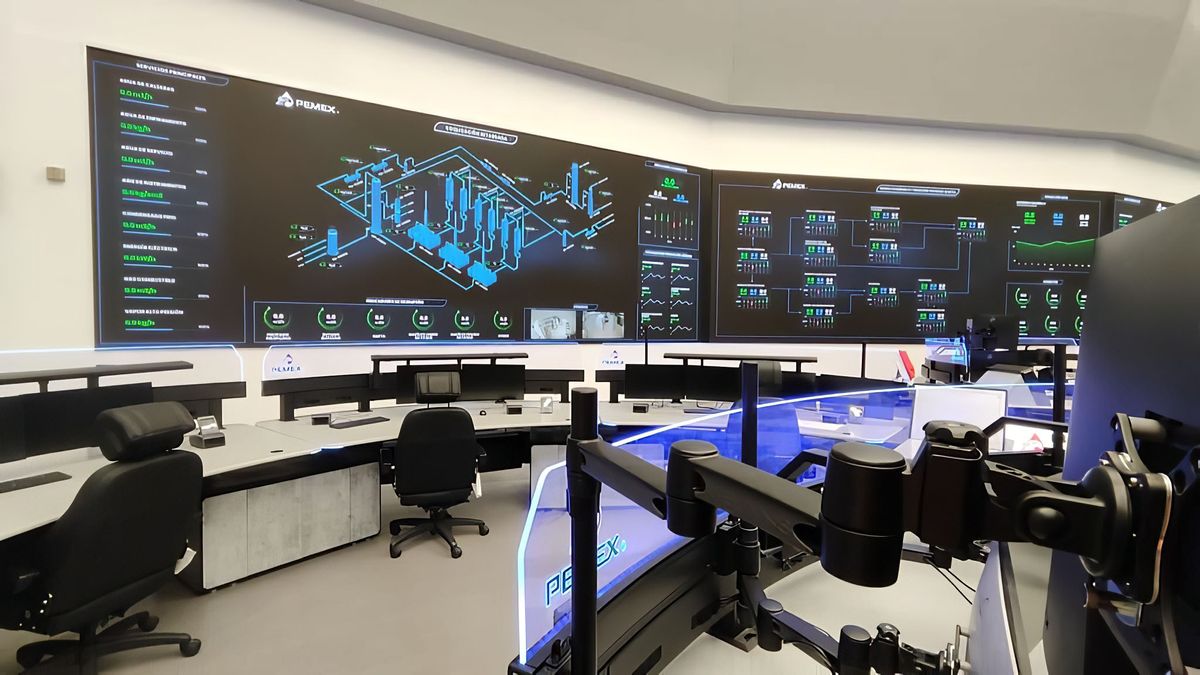

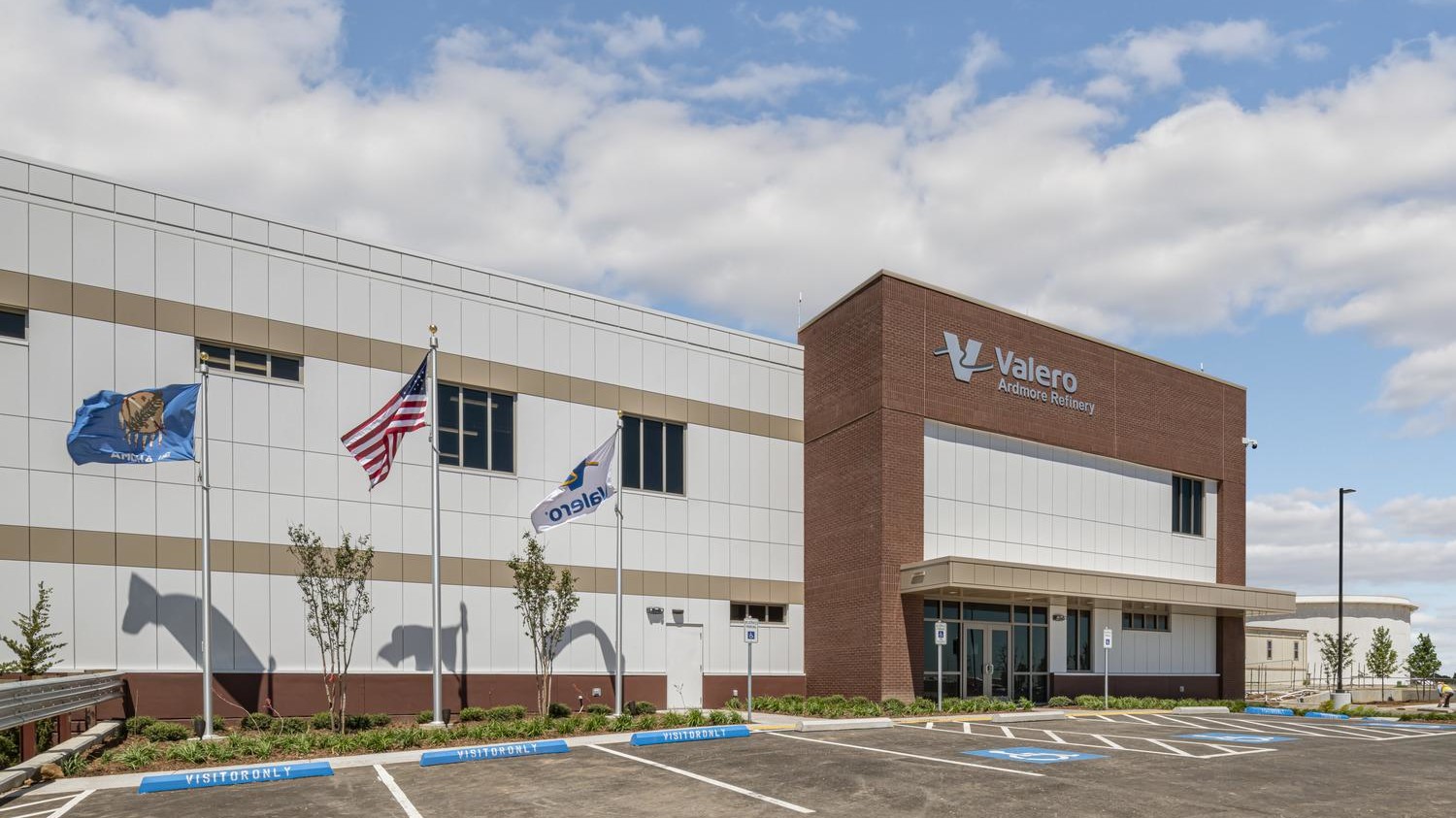

1.1 Refineries Do Not Sell to the Public
Refineries are not commercial marketplaces.
They are:
Multi-billion-dollar industrial complexes
Regulated energy infrastructures
Contracted suppliers to governments & major trading houses
Bound by long-term offtake contracts
Operated under strict internal controls
They cannot “receive calls from buyers.”
They cannot “send SCO on WhatsApp.”
They cannot “negotiate price via email.”
They cannot “skip the allocation channels.”
1.2 The Refinery Sales Structure Is Not Flat — It Is Layered
The real refinery hierarchy looks like:
LEVEL 1 — Board, CEO, Risk Committee
They decide production allocation & export quotas.
LEVEL 2 — Refinery Commercial Division
They manage:
LTAs (Long Term Agreements)
Government quotas
Allocations to major traders
Pre-approved corporate buyers
LEVEL 3 — Deal Desk / Compliance
They validate:
KYC
AML
Sanctions screening
End-user verification
Volume justification
LEVEL 4 — Authorized Allocation Holders
These are individuals or companies with:
Allocation codes
Export licenses
Supply rights
Gatekeeper access
LEVEL 5 — Secondary Mandates (rare)
People who legally represent allocation holders.
LEVEL 6 — Facilitators, brokers, intermediaries
They do NOT deal with refineries.
1.3 A Refinery Will Only Speak to One Type of Buyer
Refineries only deal with:
NOCs (National Oil Companies)
Major trading houses (Vitol, Trafigura, BP, Shell)
Government entities
Top-tier refineries with swap agreements
Banks or hedge funds with structured offtake finance
Corporate buyers with proven consumption or distribution rights
If a buyer is not in these categories, the refinery cannot legally talk to them.
SECTION 2 — Why Direct Contact Immediately Gets a Buyer Rejected
2.1 Compliance Risk: Refineries Cannot Speak to Unknown Entities
When a buyer contacts a refinery directly, the refinery must:
Perform KYC
Perform AML checks
Verify sanctions
Confirm trade history
Confirm logistics capacity
Confirm offtake ability
99% of buyers fail instantly.
2.2 Buyers Who Contact Refineries Are Seen as High-Risk
Refinery compliance officers interpret this behavior as:
Lack of industry knowledge
Possible fraud attempt
Possible sanctions bypass
Possible shell company
Possible money-laundering attempt
Possible spoofing
Result: automatic rejection.
2.3 Refineries Already Have Their Allocated Buyers
Refineries pre-sell:
80–95% of their production
3–6 months in advance
To pre-approved offtakers
Under annual or multi-year contracts
There is no open market at the refinery door.
Buyers must go through:
✔ Allocation holders
✔ Tank owners
✔ Title holders
✔ Authorized exporters
✔ Approved mandates
✔ Institutional traders
2.4 A Buyer Who Jumps the Chain Creates Legal Problems
When a buyer bypasses:
Allocation holder
Mandate
Commercial desk
Refinery management sees it as chain interference.
This can result in:
Legal liability
Blacklisting
Full contract termination
Cancellation for the allocation holder representing you
Loss of credibility in the region
SECTION 3 — NNRV Expert Analysis: How Real Refinery Communication Works
3.1 Refineries Never Communicate Until Compliance Approves the Buyer
A refinery will not:
Issue SCO
Confirm product
Issue POP
Give allocation numbers
Speak with buyer
Provide documents
Until:
✔ KYC is validated
✔ Buyer’s financial capability is confirmed
✔ Allocation chain is verified
✔ Compliance clears all parties
3.2 The Chain-of-Command is Mandatory, Not Optional
Professional procedure:
Buyer sends ICPO to allocation holder
Allocation holder submits buyer’s profile to refinery desk
Refinery checks KYC & compliance
Refinery confirms if buyer is eligible
Authorized communication begins
Documents flow through correct channels
Outside this process → instant rejection.
3.3 Allocation Holders Are the Only Legal Bridge
Allocation holders have:
Codes
Quotas
Contracts
Export numbers
Verification rights
Tank farm relationships
SWIFT capability
Without them, buyers cannot access refinery documentation, let alone:
SCO
POP
Q&Q
Injection
Title
SPA
3.4 Why NNRV Facilitates Communication Instead of the Buyer
NNRV ensures:
Your KYC passes
Your financial capacity is validated
You approach the correct allocation chain
You avoid blacklisting
You follow refinery protocol
You respect legal channels
NNRV acts as the institutional interface the refinery requires.
SECTION 4 — The Correct Step-by-Step Process for Dealing With Refineries
Step 1 — Buyer Submits KYC + CP + ICPO to NNRV
No refinery will accept an unsolicited ICPO.
Step 2 — NNRV Validates Buyer Capacity
Internal due diligence.
Step 3 — NNRV Aligns Buyer With Correct Allocation Chain
Refinery-approved pathway.
Step 4 — Allocation Holder Submits Buyer to Refinery
Compliance begins.
Step 5 — Refinery Approves or Denies Buyer
Only after approval does communication open.
Step 6 — SCO / Contractual Framework Issued
Via authorized channels only.
Step 7 — SPA Negotiation (Refinery → Allocation Holder → NNRV → Buyer)
Chain must be respected.
Step 8 — POP Documents Released After SPA
Never before.
Step 9 — Operations Begin (TTT / FOB / CIF)
Based on refinery-approved procedure.
SECTION 5 — Buyer & Seller Questions (20 Institutional Answers)
10 Buyer Questions
Can I call or email the refinery? → No. Ever.
Can the refinery issue SCO directly? → Only to approved entities.
Can I visit the refinery? → Only after compliance clearance.
Why won’t refineries talk to me? → Security + chain-of-command.
Are refinery “managers” on WhatsApp real? → 99% fake.
Can I get POP before SPA? → Impossible.
Who verifies allocation authenticity? → NNRV + refinery desk.
Can I buy spot cargo directly? → Only via allocation holders.
Do refineries publish prices? → Rarely; they sell to approved buyers.
How do I avoid being rejected? → Use institutional intermediaries.
10 Seller Questions
Should buyers talk to my refinery directly? → No.
How do I protect my mandate chain? → NNRV chain control.
How do I avoid buyer interference? → Use NDA + chain-of-command.
What if buyer insists on going direct? → Disqualify immediately.
How does refinery verify me? → KYC + allocation code.
Can I publish refinery letters? → Most are confidential.
Who handles communication? → Authorized allocation desk.
What if buyer demands POP early? → They are not serious.
How do I avoid fraud? → NNRV document verification.
Who controls procedure? → Refinery commercial desk.
SECTION 6 — Why This System Is Global Standard
Refinery chain-of-command is governed by:
ICC Incoterms 2020
ISO/IEC 37001 Anti-Bribery Protocol
Basel III Trade Governance
OFAC / EU Sanctions Compliance
ISPS Port Security
SOX corporate governance
Internal refinery risk protocols
Every refinery in the world follows this structure:
Rotterdam
Houston
Fujairah
Jurong
Ras Laffan
Yanbu
Sriracha
Jamnagar
Buyers who bypass the chain instantly violate these protocols.
SECTION 7 — Professional CTA
📌 Need Legitimate Access to Refinery Supply?
NNRV Trade Partners provides:
Verified refinery allocation channels
KYC pre-verification
Buyer profiling and alignment
Chain-of-command compliance
Refinery-approved communication pathways
Full SPA, POP, and Q&Q coordination
📩 info@nnrvtradepartners.com
🌐 www.nnrvtradepartners.com
We protect buyers and sellers by ensuring legitimate refinery access without compliance risk.
Mini FAQ (5 Essential Questions)
Can a refinery talk to a buyer before KYC?
No — forbidden.Can a refinery send POP directly to an unknown buyer?
No — impossible.Why do so many claim “refinery direct”?
95% are brokers recycling fake documents.How can I access a refinery safely?
Through an authorized allocation chain (NNRV validates this).Can NNRV verify a refinery letter?
Yes — instantly.
Why Choose NNRV Trade Partners?
Institutional chain-of-command enforcement
Real refinery allocation access
Anti-fraud compliance
Document authentication
Global petroleum expertise
End-to-end buyer/seller protection