Wars Are Not Won With Weapons… But With This 💰

Wars Are Not Won With Weapons… But With This 💰
For centuries, people believed wars were won by armies, generals, and weapons. But history tells another story. From the Roman Empire to the Cold War, the Gulf War, and now Ukraine, wars have always been won by money — not bullets.
Weapons decide battles. Finance decides wars.
Behind every tank, drone, missile, satellite, and logistics chain, there is a massive, invisible financial system: bank guarantees, sovereign credit, import–export financing, emergency liquidity lines, international payment networks, commodities flows, and geopolitical funding alliances.
In this long-form investigation, we explain how conflicts are really won — with banking instruments, guarantees, and financial leverage that decide outcomes long before armies meet on the battlefield.

1. The Hidden Engine of Every War: Money Supply
Every war starts with one fundamental question:
“Who can keep paying the bills?”
Modern warfare is not won with strategy alone. It requires:
- fuel for tanks, jets, and ships
- continuous ammunition production
- logistical supply chains across multiple continents
- satellite and intelligence infrastructure
- food, transport, and medical support
- private contractors and technology firms
These are extraordinarily expensive. Without a stable financial structure — bank guarantees, credit lines, sovereign liquidity — the entire war machine collapses.

2. Central Banks: The Real War Rooms
People imagine war rooms full of maps and generals. But the real war rooms are in:
- central banks
- finance ministries
- international lenders
- commodity banks
- energy-finance departments
The true battlefield is the flow of capital. If a nation loses access to:
- foreign reserves
- international settlement systems
- commodity purchase financing
- sovereign guarantee structures
…the war ends quickly.
3. Energy: The Fuel of War and Finance
Every modern military is powered by energy — oil, gas, diesel, aviation fuel. A country may have advanced weapons, but without fuel supply chains, aircraft stay grounded and tanks stop moving.
This is why modern wars are deeply connected to:
- commodity-backed financing
- energy BG/SBLC structures
- prepaid oil agreements
- pipeline financing guarantees

Energy is not only a weapon: it is the economic bloodstream that keeps war machines alive.
4. Logistics: The Most Expensive Part of War
Weapons are expensive. Logistics is far more expensive.
Transporting ammunition, fuel, parts, and personnel across thousands of kilometers requires:
- shipping finance
- rail and road contracts secured with BGs
- insurance-backed supply chains
- performance guarantees for military vendors
This is where the banking world becomes the invisible hero (or enemy) of war.

5. Bank Guarantees: Why They Matter More Than Weapons
A bank guarantee is far more powerful than a tank. A tank destroys one target. A bank guarantee activates an entire industrial and military ecosystem.
During wars, BGs are used to secure:
- fuel contracts
- weapons manufacturing deliveries
- logistical infrastructure
- military procurement
- international transport
Only with BG protection do suppliers agree to deliver during war. No guarantee → no delivery → no war effort.
6. Sanctions and SWIFT: The New Battlefield
In modern conflicts, the first “weapon” used is no longer a missile. It is a financial cut-off.
When a country is blocked from:
- SWIFT
- dollar clearing
- international banking
- sovereign credit rating systems
its military capacity collapses within months. This is financial warfare — silent but devastating.

7. Reconstruction: Where the Real Money Is Made
Wars destroy. Reconstruction enriches.
After every conflict, the biggest profits come from:
- infrastructure rebuilding
- energy grid modernization
- water, transportation, and telecom upgrades
- privatization of damaged sectors
All of this requires:
- project finance guarantees
- performance bonds
- SBLC-backed government contracts
- international financing consortia

Ironically, the companies that win the post-war reconstruction tend to be the same ones involved in war supply. This is why the financial system is more influential than the military system.
8. Why Weapons Are Only the “Visible Part” of War
Weapons attract headlines. Finance wins wars quietly.
Behind every successful war effort is a network of:
- banks willing to issue credit
- governments guaranteeing suppliers
- trade-finance institutions securing logistics
- commodity banks financing fuel and energy
- multilateral financial protections
Without these, even the most powerful army in the world would be immobilized in weeks.

9. The Modern Reality: Wars Are Fought With Money First
Modern conflicts are decided long before soldiers fight. They are decided in:
- central bank reserves
- commodity supply agreements
- sovereign-backed guarantees
- payment-system alliances
- energy-financing pacts
The countries that dominate these financial systems are the ones that win wars, influence regions, and shape world order.
Conclusion: You Win Wars With Money — or You Lose Them
Weapons may destroy. But money decides survival.
The real power in conflict is not the army but the financial architecture that backs it: BGs, SBLCs, sovereign credit, energy financing, logistics funding, and payment systems.
This is the invisible battlefield — and the one that truly determines victory.
Author Biography
This article was written by an independent analyst specializing in global trade finance, war economies, bank guarantees, and international funding systems. For professional inquiries, contact: info@nnrvtradepartners.com
Disclaimer
This article is for educational purposes only. Nothing contained herein constitutes financial or investment advice. Readers should consult licensed professionals before entering any transaction involving SBLC, BG, or trade-finance structures.
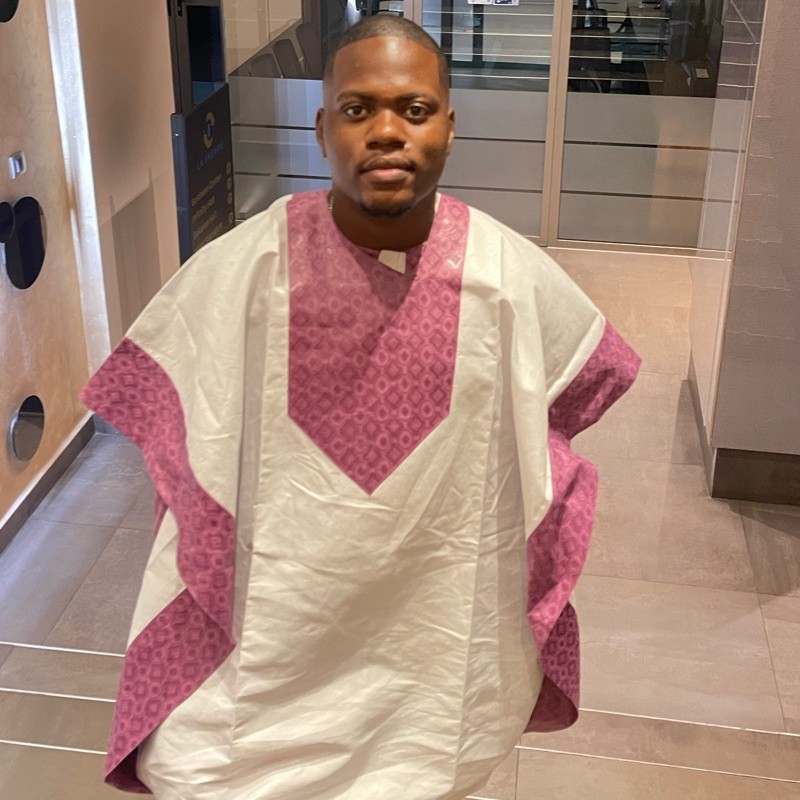
About the Author
With extensive experience in international finance, the author structures high-level funding
solutions for governments, private corporations, public–private partnerships (PPP),
and large-scale development projects across energy, infrastructure, real estate,
education, healthcare, agriculture, and humanitarian sectors.
Operating through a global network of top-tier banks, institutional partners,
private capital groups, and regulated financial platforms, the author manages
confidential and compliant strategies involving SBLC, BG, MTN, DLC,
trade finance, structured finance, and monetization frameworks.
All processes follow strict AML/KYC, due diligence, and international regulatory
standards.
The author’s mission is to simplify access to world-class financial knowledge and
bring clarity to complex funding mechanisms, empowering governments, communities,
and project owners to realize transformative initiatives that enhance education,
healthcare, housing, clean energy, and economic development in emerging regions.
Professional Engagement & Confidentiality
All interactions are confidential, conducted with integrity, and aligned with
international compliance protocols.
No public fundraising, investments, or financial solicitations are offered.
Each project is treated with discretion, professionalism, and strategic precision.
Important Legal Disclaimer
This content is strictly educational and informational.
It does not constitute financial advice, investment solicitation, securities
promotion, or an offer to participate in any financial product, instrument, or program.
Any mention of SBLC, BG, MTN, PPP, monetization, structured finance, or trade finance
is purely illustrative and intended to promote understanding of global financing
mechanisms.
All real transactions require independent legal, tax, and regulatory assessments
by qualified professionals.
The objective of these publications is to contribute to global development by
promoting transparency, education, access to funding knowledge, and sustainable
solutions for social welfare, healthcare, housing, and humanitarian progress.
Contact
For confidential professional inquiries:
Email: info@nnrvtradepartners.com