Introduction — The Truth Buyers Must Understand Before Approaching Any Refinery
Every serious petroleum buyer dreams of connecting directly to the refinery.
But 99% of buyers fail because they don’t understand:
How refineries operate legally
Why refineries almost never talk to random buyers
Why refinery allocations are tightly controlled
Why fraudsters pretend to be “refinery mandates”
Why refineries require strict compliance before responding
Why you must go through specific authorized channels
The petroleum industry is extremely regulated, and real refinery access is never through WhatsApp, Telegram, or brokers with Gmail accounts.
This article explains how to legally approach refineries, how to verify real refinery channels, and how to avoid the scams that destroy 80% of new buyers.
SECTION 1 — Context: How Refineries Actually Work Internally (Not What Brokers Tell You)
1.1 Refineries Sell in Three Ways — Not on Social Media
Refineries distribute product through:
1. Direct Internal Sales
→ Government entities, national distributors, state oil companies.
2. Long-Term Offtake Agreements (LTOA)
→ Supermajors: Shell, Total, Vitol, Trafigura, Glencore, BP.
3. Allocated Sellers & Contracted Traders
→ Tank farm owners
→ Large international trading houses
→ Licensed mandates (very rare)
→ Allocation holders
Refineries DO NOT:
❌ Respond to cold emails
❌ Speak to buyers directly on WhatsApp
❌ Sell to random intermediaries
❌ Release POP before compliance
❌ Provide procedures outside their official model
1.2 Why Refineries Rarely Work Directly With End Buyers
Because refineries must protect:
Sanction risk
Financial liability
Production capacity
Tank allocation
Government relationships
Internal risk compliance
Refineries cannot take chances with buyers whose:
KYC is incomplete
Bank is unknown
Background is unclear
Demand is unrealistic
1.3 90% of “Refinery Mandates” Online Are Fake
This is the biggest scam in the industry.
Real refinery mandates:
Use domain emails
Are listed in refinery procurement portals
Never chase buyers
Never offer discounts
Never share refinery documents freely
Scammers, on the other hand:
Use Gmail
Send fake POP
Promise impossible quantities
Ask for upfront fees
Understanding this prevents you from being scammed.
SECTION 2 — How to Legally Connect With a Real Refinery (A–Z Institutional Breakdown)
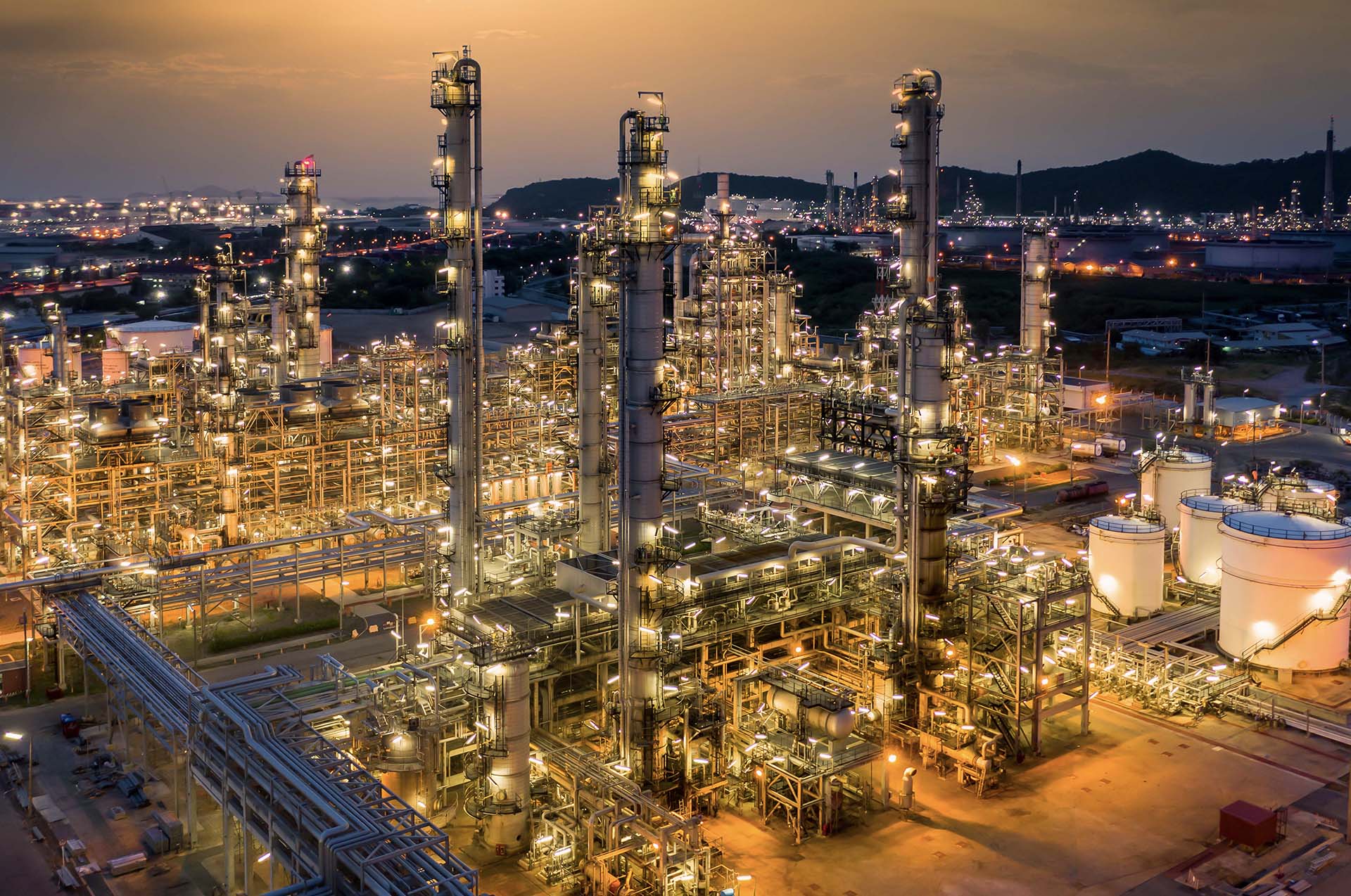
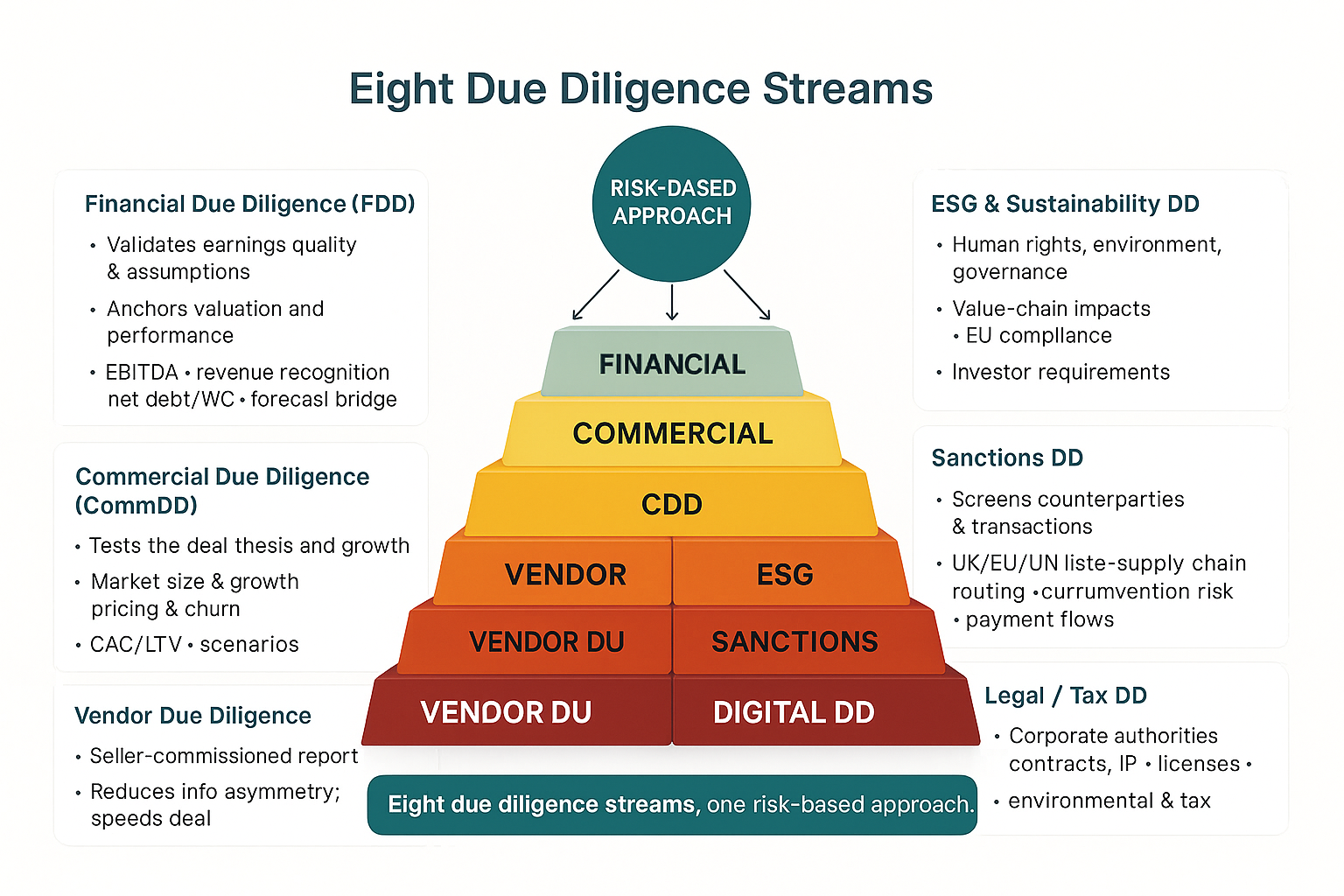
Below are the real institutional pathways accepted worldwide.
2.1 Method #1 — Through Official Refinery Procurement Channels
Real refineries have:
Registration portals
Vendor qualification requirements
Compliance procedures
Corporate security checks
To get accepted, buyers must submit:
Full KYC pack
Corporate profile
UBO declaration
Bank profile
POF readiness statement
Trade history
This is the most legitimate method.
2.2 Method #2 — Through Licensed International Trading Houses
Supermajors and large traders have direct refinery access:
Vitol
Glencore
Trafigura
Shell Trading
BP Trading
Mercuria
Gunvor
These companies receive refinery allocations and resell.
This is the primary route used by 90% of the world’s market.
2.3 Method #3 — Through Verified Allocation Holders
Allocation holders are entities with:
Long-term refinery contracts
Tank access
Slot ownership
Lifting rights
Ongoing refinery supply agreements
You must verify allocation through:
Corporate domain email
Allocation number
Production contract reference
Tank farm confirmation
POP AFTER compliance
Never before.
2.4 Method #4 — Through Real Tank Farm Operators
Some refineries appoint tank operators to handle:
Offloading
Storage
Injection
TTT / TTV
Q&Q / SGS
Tank farms with refinery partnerships are legitimate channels.
Examples:
Vopak
Oiltanking
VTTI
Horizon Fujairah
Stolthaven
Jurong Petrochemical Complex
2.5 Method #5 — Through Government Petroleum Boards
In some countries, refineries only sell through national agencies:
ADNOC (UAE)
ARAMCO (Saudi Arabia)
SOCAR (Azerbaijan)
NNPC (Nigeria)
Petrobras (Brazil)
These entities require the highest level of compliance.
SECTION 3 — NNRV Expert Analysis: The 12 Red Flags That Prove a “Refinery” Connection Is Fake
1. Gmail or Yahoo email
Real refinery mandates use domain emails only.
2. POP offered before ICPO + KYC
No refinery releases POP before compliance.
3. “Huge discount” promises
Refineries DO NOT give discounts.
4. Middlemen with no domain website
Professional fraud indicator.
5. No verifiable corporate registration
Invalid intermediary.
6. No LinkedIn footprint
Real petroleum professionals always exist on LinkedIn.
7. No refinery portal registration
Every legitimate refinery has one.
8. Requests for upfront fees
Refineries NEVER require upfront payments.
9. Fake tank storage agreements
Unverifiable TSA = fraud.
10. Fake SGS reports
Often recycled, forged, or outdated.
11. Pre-prepared SPA without KYC
Totally impossible legally.
12. Quantities above refinery capacity
If someone offers “5M MT/month” → scam.
SECTION 4 — Step-by-Step: How to Connect to a Refinery Legally Without Being Scammed
Step 1 — Build a Compliant End Buyer Profile
Refineries require:
COI
UBO
Passport
Company profile
Bank profile
POF readiness
Step 2 — Identify the Right Refinery Channel
Choose:
Direct
Trader
Allocation holder
Tank farm
Government office
Step 3 — Submit Corporate KYC First
Never send ICPO before KYC.
Step 4 — Receive SCO From Verified Channel
SCO must come from domain email.
Step 5 — Align ICPO With Seller Procedure
Refineries only follow their own procedure.
Step 6 — Pass Compliance Screening
AML + sanctions check.
Step 7 — Receive SPA (After Approval)
Not before.
Step 8 — Proceed to POF + SWIFT Sequence
MT199 → MT799 → MT760 → MT103 depending on model.
Step 9 — POP Released After SPA + POF
Never before.
Step 10 — Execute the Transaction Safely
TTT / FOB / CIF depending on structure.
SECTION 5 — Buyer & Seller Questions (20 Institutional Answers)
10 Buyer Questions
Can I bypass intermediaries? (No.)
Can I talk directly to refinery? (Only through official channels.)
What documents do refineries require?
Can I get POP before POF? (Never.)
How do I verify allocation?
What bank is best for MT799?
Why are discounts impossible?
Can a refinery mandate accept commission?
Do refineries allow small trial shipments?
Can NNRV pre-check the seller? (Yes.)
10 Seller Questions
How do I filter real buyers?
Should I request KYC before ICPO? (Yes.)
How do I verify POF?
Should I use MT799 or LC?
How do I avoid broker chains?
What red flags indicate fake buyers?
When should SPA be issued?
When is POP released?
Should I work with NNRV for buyer screening? (Yes.)
What is the minimum buyer requirement?
SECTION 6 — Why This Method Is Recognized Globally
This process follows:
ICC Incoterms 2020
Basel III standard
FATF AML/CFT rules
SWIFT MT protocols
ISPS port safety regulations
Refinery procurement compliance
OFAC/EU/UN sanctions enforcement
It mirrors the workflows of:
Shell Trading
Vitol
Trafigura
Mercuria
Glencore
BP Trading
TotalEnergies
SECTION 7 — Professional CTA
📌 Need to Connect Legally to Verified Refineries Without Being Scammed?
NNRV Trade Partners provides:
Refinery channel verification
Buyer compliance structuring
KYC/UBO validation
Legal seller-side due diligence
Allocation verification
SPA alignment and procedure review
Full anti-fraud screening
📩 info@nnrvtradepartners.com
🌐 www.nnrvtradepartners.com
Your refinery connection will follow institutional standards, not social-media shortcuts.
Mini FAQ (5 Key Questions)
Can I connect directly to a refinery?
Yes, but only legally through verified channels.Can I get POP before POF?
Never.How do I avoid fake refinery mandates?
Check domain email, registration, and allocation.Does NNRV verify allocations?
Yes.Do refineries accept small buyers?
Only with full compliance.
Why Choose NNRV Trade Partners?
Global refinery access
Verified seller networks
Institutional-level compliance
Zero-fraud due diligence
Legally structured connections
End-to-end transaction guidance