Introduction — Why Tank Farm Fraud Is One of the Biggest Threats in Petroleum
Every year, buyers lose millions of dollars because they:
Lease fake tanks
Deal with fake tank farm agents
Pay reservation fees to scammers
Receive forged TSA, ATL, or DTA
Conduct DIP tests in non-existent tanks
Trust “WhatsApp sellers” claiming “tank farm direct”
Tank farm fraud is one of the top 3 scams in petroleum trading (alongside fake POP and fake SGS).
Why?
Because storage is the gateway to the product.
If the tank is fake, the entire deal collapses—regardless of how good the SCO, SPA, or POP looks.
This guide explains how to verify tank farms using institutional techniques, how real terminals operate, what documents are legitimate, and how to identify fakes instantly.
SECTION 1 — Understanding Real Tank Farms (Not the Telegram Version)
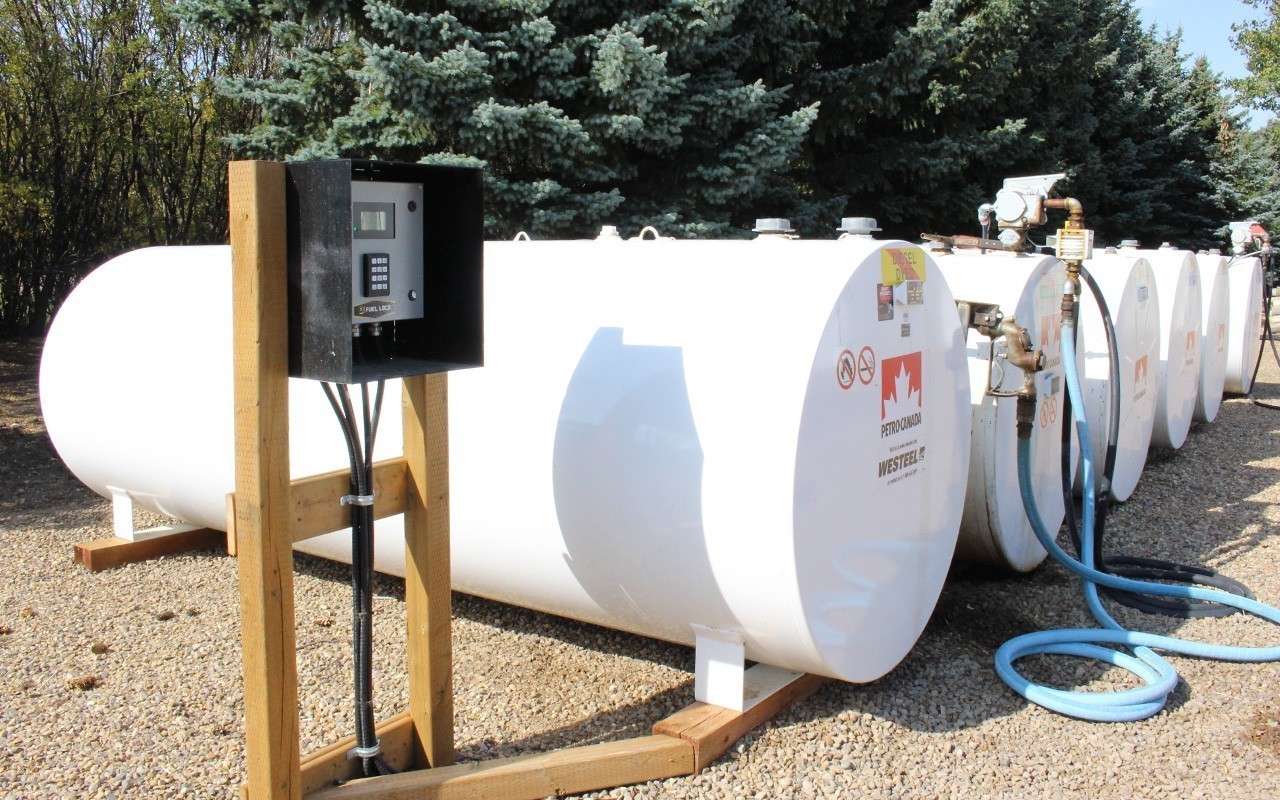
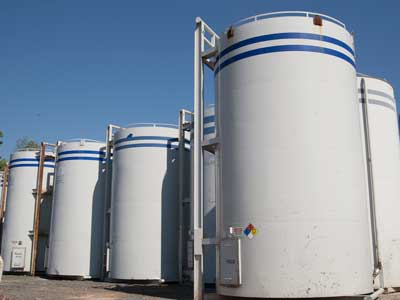
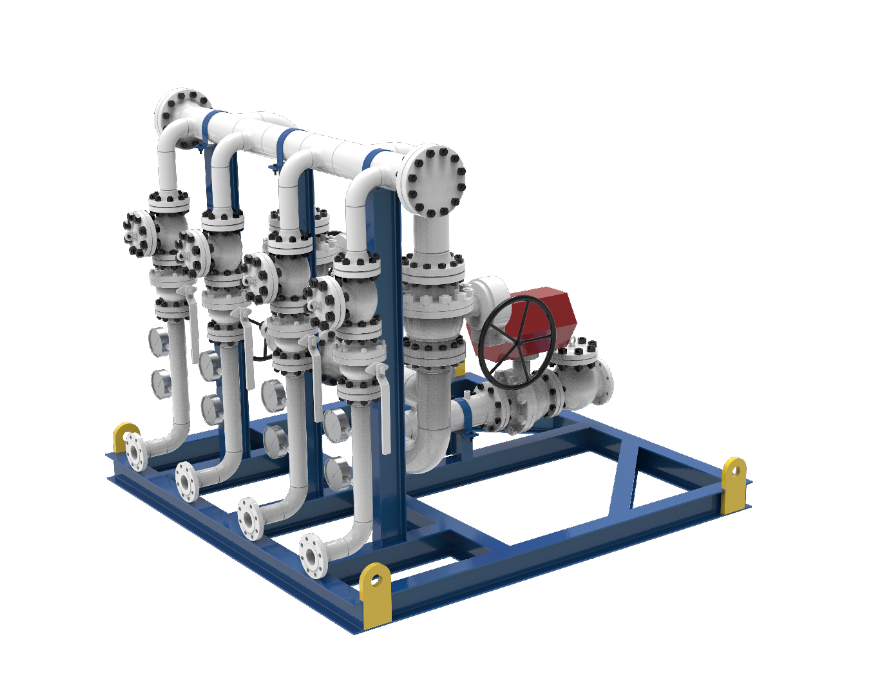
1.1 Real Tank Farms Are Regulated Infrastructure, Not Local Businesses
Real tank farms are:
Licensed
Audited
Insured
ISO-certified
ISPS-compliant
Government-regulated
Connected to port authorities
Integrated with pipeline networks
They use:
Access control systems
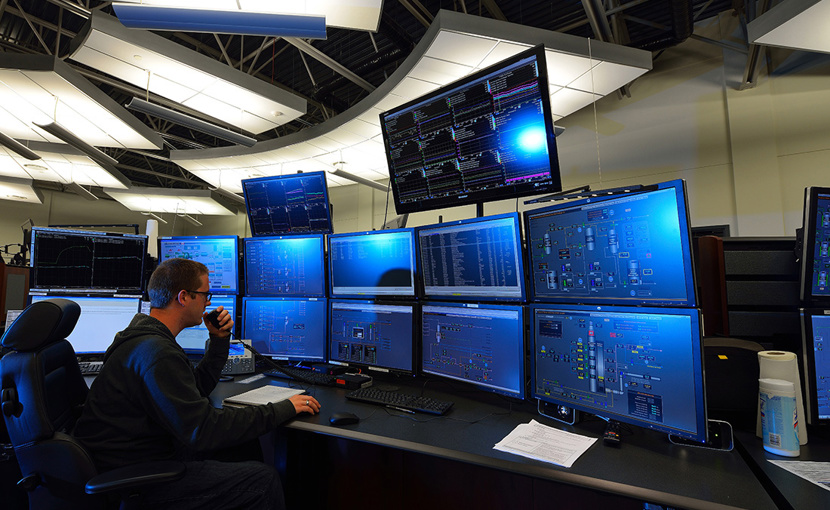
SCADA monitoring
Metrological verification
Official gate-pass management
Compliance departments
Fake tank farms cannot replicate this complexity.
1.2 Real Tank Farms Never “Rent Tanks” via WhatsApp or Telegram
Real tank farms:
Never send TSA via WhatsApp
Never negotiate via chat apps
Never accept anonymous buyers
Never issue DTA before KYC
Never send POP without a confirmed vessel
Never bypass compliance departments
If a tank farm “agent” is only on WhatsApp, it’s fake.
If they refuse to use corporate email, it’s fraud.
1.3 Real Tank Farms Work Through Brokers or Allocation Holders
Tank farms rarely communicate directly with buyers.
They rely on:
Authorized agents
Allocation holders
Terminal-approved brokers
Contracted logistics providers
Buyers with confirmed SPA
If a “tank farm” is overly eager to speak directly to you → it’s fake.
SECTION 2 — Every Document Fake Tank Farms Forge (And How to Detect It)
Below are the documents scammers typically fake:
2.1 TSA (Tank Storage Agreement)
Fake indicators:
No serial number
Wrong terminal address
Wrong legal structure
No insurance information
No ICC Incoterms reference
No company registration number
2.2 ATL (Authorization To Load)
Fake indicators:
Issued before Q&Q
No reference to tank number
No marine coordinating officer signature
2.3 DTA (Dip Test Authorization)
Fake indicators:
Issued without compliance
Issued without fee
Issued without buyer documents
Tank number doesn’t exist
Wrong template
2.4 TSR (Tank Storage Receipt)
Fake indicators:
Wrong unit conversions
No timestamp
No pipeline/line designation
2.5 POP (Proof of Product)
Real tank farms NEVER issue POP.
POP comes from:
Refinery
Title holder
Tank operator only under allocation
Fake POP = fake tank.
SECTION 3 — NNRV Analysis: Real Verification Techniques Used by Institutions
NNRV uses 11 institutional verifications to detect fake tank farms instantly.
3.1 Verify Terminal Registration (Chamber of Commerce + Port Authority)
Real tank farms are registered with:
National Chamber of Commerce
Port Authority
Environmental & Safety Authorities
Fake ones are not.
3.2 Cross-Check IBC Codes and IMO Listing
Every tank terminal involved in petroleum storage is listed in:
ICIS
IMO GISIS Port Facility database
ISGOTT
Oiltanking / Vopak / Shell terminal networks
If it’s not listed → fake.
3.3 Request the Terminal’s Insurance & HSE Certificate
A real terminal will have:
Marine liability insurance
Occupational safety certificate
Fire & emergency readiness certification
API/ISO certifications
Scammers cannot produce these.
3.4 Validate the Tank Number Physically
Buyers can request:
Google Earth coordinates
Satellite verification
Terminal map + tank numbering scheme
Fake terminals often invent tank numbers that do not exist.
3.5 Verify Email Domain & IP Geolocation
Real tank farm domains:
@vopak.com
@oiltanking.com
@vttiterminals.com
@gunvor.com
@royaldutchshell.com
Fake tank farms use:
@gmail.com
@outlook.com
@hotmail.com
@yahoo.com
Misspelled domains
If email is not from official domain → reject instantly.
3.6 Contact Terminal Switchboard (Not Sales Reps)
Call the official number on Google or port authority records.
Ask:
“Do you have tank number ___?”
“Does Mr. X work there?”
“Do you confirm that company X has storage rights?”
90% of “tank farms” will be exposed instantly.
3.7 Check VAT, Tax ID, and Company Registration
Fake companies cannot:
Provide real VAT numbers
Show audited financials
Show corporate filings
Show physical address
3.8 Request Tugboat & Berth Scheduling Confirmation
Tank farm operations require:
Tugboat scheduling
Berth assignment
Pipeline allocation
Fake tank farms cannot produce:
Port berthing schedules
Vessel laycan documents
Pipeline access confirmation
3.9 Verify SCADA or Terminal Access Protocol
Real terminals operate on:
Honeywell
Yokogawa
Siemens
Schneider systems
Fake terminals have no SCADA trail.
3.10 Cross-Check Name Against Blacklisted Tank Farms
NNRV regularly updates:
Fraudulent terminal list
Fake websites
Fake brokers
Fake domain databases
If the tank farm appears in the blacklist, the deal ends.
3.11 Check Pipeline Ownership
Real terminals use:
TEPS
MEP
Europoort pipeline
Singapore Bukom network
Fake terminals cannot document pipeline links.
SECTION 4 — Step-by-Step Verification Method (NNRV Professional Checklist)
Step 1 — Verify domain + email integrity
If free email → reject.
Step 2 — Check registration + tax ID
Search in official database.
Step 3 — Confirm tank number with terminal
Call directly.
Step 4 — Validate TSA format & numbering
Check ICC references.
Step 5 — Request HSE + insurance certificates
Mandatory for petroleum storage.
Step 6 — Verify terminal’s pipeline map
Real terminals publish it.
Step 7 — Validate DTA sequence (must come after TSA + payment)
No deviation allowed.
Step 8 — Check SCADA report / injection history
Only real terminals can provide.
Step 9 — Use satellite imagery
Google Earth can reveal discrepancies.
Step 10 — Use NNRV institutional verification
We authenticate all documents with refinery and terminal channels.
SECTION 5 — 20 Buyer & Seller Questions (Real Institutional Answers)
10 Buyer Questions
How do I know if a tank farm is real?
Is TSA on WhatsApp real?
Why do fake tank farms always offer “cheap storage”?
Who issues real DTA?
Can I DIP test without TSA?
Why do terminals require KYC?
Can I lease a tank before SPA?
Should I pay reservation fees?
How does NNRV verify terminals?
Do all terminals accept EN590? (No)
10 Seller Questions
How do I protect my tank allocation?
What documents must I provide buyers?
How do I avoid being accused of fraud?
Should I share terminal contacts? (No)
What is the correct DTA sequence?
How do I verify buyers?
Who coordinates DIP/Q&Q?
Can I DIP test before payment?
How do I reject fake buyers?
Can NNRV help manage tank operations?
SECTION 6 — Why Terminal Verification Is Governed by Global Standards
Real tank farms comply with:
ISPS (Port Security)
ISO 9001 / ISO 45001 / ISO 14001
API storage standards
ICC UCP 600 trade rules
IMO/ICS maritime regulations
Basel III documentation protocol
EU/US petroleum safety acts
Any tank farm outside this framework = fraudulent.
SECTION 7 — Institutional CTA
📌 Need to Verify Any Tank Farm Before You Commit?
NNRV Trade Partners provides:
Tank farm authenticity checks
TSA/ATL/DTA validation
Terminal registry verification
Pipeline & SCADA checks
Document authentication
POP/Q&Q operational coordination
📩 info@nnrvtradepartners.com
🌐 www.nnrvtradepartners.com
Do not lose money to fake terminals.
NNRV verifies everything BEFORE you proceed.
Mini FAQ (Top 5 Questions)
Can a fake tank farm produce POP?
Yes—POP is the easiest document to forge.What is the biggest red flag?
TSA or DTA delivered on WhatsApp.Can I confirm a tank by calling the terminal?
Yes—best technique.Should I pay storage fees before verification?
Never.Can NNRV verify any tank farm worldwide?
Yes—through institutional channels.
Why Choose NNRV Trade Partners?
Institutional-level verification
Compliance-driven risk control
Direct refinery & terminal intelligence
Document authentication
Global fraud-prevention network
End-to-end buyer & seller protection