Introduction — The Truth About Commission: Why Buyers Never See It and Sellers Never Put It on the Invoice
In petroleum trading—EN590, Jet A1, Diesel, LPG, Crude, Fuel Oil—commission is one of the most misunderstood aspects of the business.
New buyers often ask:
“Where is commission written?”
“Why is markup hidden?”
“Why is commission never on the invoice?”
“Why does the buyer pay gross?”
“How do intermediaries get paid?”
The reality is simple:
👉 Commission is NEVER shown on the invoice because it is a confidential, internal, bank-protected payment made AFTER MT103, through structured IMFPA splits.
If commission appeared on the commercial invoice:
Buyers would bypass intermediaries
Chains would collapse
Sellers would be exposed
Contracts would be challenged
Compliance issues would arise
This article explains how commission is REALLY paid, why it is invisible, how IMFPA protects intermediaries, and how to set up a legal, secure commission structure for all parties involved.
SECTION 1 — Understanding the Context: Why Commission Cannot Appear on the Invoice
1.1 The Commercial Invoice Is a Legal Document Between Buyer and Seller Only
A Commercial Invoice is governed by:
ICC Incoterms
International trade law
VAT / customs regulation
Marine shipping standards
Banking compliance (MT103 / LC / SBLC)
It cannot list:
Intermediaries
Brokers
Mandates
Facilitators
Consultants
Introducers
Side agreements
These parties are not the legal buyer or seller.
Therefore, commission cannot appear in the invoice.
1.2 Commission Appearing on the Invoice Would Break Several Laws
If commission appeared on invoice:
❌ VAT irregularities
❌ Banking compliance breach
❌ Customs misreporting
❌ Anti-bribery/sanction risks
❌ Auditing inconsistencies
❌ Contractual invalidation
Thus:
👉 Commission must remain outside the invoice to remain legal and compliant.
1.3 The Buyer Pays ONLY the Gross Price
In petroleum trading, the buyer pays:
Gross price (all-inclusive)
Through MT103 or LC
After DIP test / Q&Q (depending on procedure)
What happens inside that gross price is completely internal.
SECTION 2 — The Real Mechanism: How Commission Is Paid Legally and Invisibly

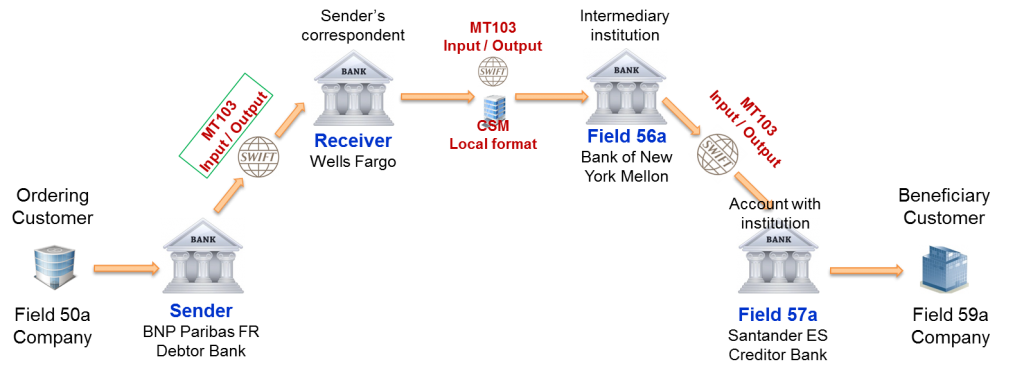

Below is the actual financial architecture used globally by refineries, traders, and mandates.
2.1 Two Prices Exist in Every Deal: Gross & Net
1. Net Price (Refinery/Seller price)
This is the real price the seller receives.
It remains confidential.
2. Gross Price (Buyer price)
This is the price the buyer pays.
It includes:
Seller-side commission
Buyer-side commission
Mandate fees
Facilitator spreads
Trader markup
Allocator commission
The buyer pays ONE price.
The internal distribution happens after payment.
2.2 Commission Is Paid from the Spread Between Gross and Net
Example:
Net price: $580/MT
Gross price: $595/MT
Spread: $15/MT
Distribution:
Seller side → $7
Buyer side → $5
Mandates/introducers → $3
This spread is structured in the IMFPA.
2.3 The IMFPA (International Master Fee Protection Agreement) Controls Everything
The IMFPA:
Lists ALL beneficiaries
Specifies exact commission amounts
Locks payment seats
Prevents bypass
Activates automatically at MT103
Is protected by bank compliance
It is not between buyer and seller.
It is between:
Mandates
Consultants
Facilitators
Intermediaries
2.4 Commission Is Paid AFTER MT103 Using Split Payments
Once MT103 hits the seller’s bank:
Bank receives gross amount
Bank deducts net amount to seller
Bank releases commission (according to IMFPA)
Funds are sent automatically to all beneficiaries
This ensures:
✔ No upfront commission
✔ No fraud
✔ Automatic protection
✔ Zero buyer involvement
2.5 Why Commission MUST Be Invisible to the Buyer
If buyers saw:
Net
Commission
Broker chain
Markup
They would:
Bypass intermediaries
Negotiate net
Break the deal
Demand seller-side visibility
Challenge SPA
Violate confidentiality
Institutional buyers know better—
they never ask for commission structure.
SECTION 3 — NNRV Expert Analysis: How to Protect Commission and Avoid Losing the Deal
3.1 Avoid the #1 Red Flag: Asking About Commission
Buyers who ask:
“How much commission is built in?”
“Who gets paid what?”
“Can you show me net price?”
Are immediately flagged as:
❌ Brokers
❌ Non-institutional
❌ High-risk
❌ Non-serious
3.2 Ensure Every Intermediary Signs IMFPA Before SPA
To protect all commission beneficiaries:
✔ All parties sign IMFPA
✔ Payment seats are locked
✔ Bank coordinates payout
✔ No party can change the chain
✔ No party can be removed
This is the global standard.
3.3 Keep Commission Outside the Main SPA
SPA = Buyer ↔ Seller
IMFPA = Intermediaries
Mixing the two is illegal and non-compliant.
3.4 Never Add Commission on Top of Gross Price
Gross price = final.
Commission is included INSIDE the gross price.
3.5 Maintain a Clean, Short Chain
The shorter the chain:
The higher the payout per metric ton
The faster the deal
The fewer compliance issues
SECTION 4 — Step-by-Step: How Commission Is Paid (Institutional Sequence)
Step 1 — SPA Is Signed (Gross Price Confirmed)
Everything else is internal.
Step 2 — IMFPA Is Finalized and Accepted
All commission seats locked.
Step 3 — Buyer Issues MT103
Payment hits seller’s bank.
Step 4 — Bank Splits Funds Internally
Seller → receives net
Intermediaries → receive commission
Mandates → receive fees
Step 5 — Product Is Released
Injection / loading / discharge.
SECTION 5 — Buyer & Seller Questions (20 Q&A)
10 Buyer Questions
Why don’t I see commission on the invoice?
Who pays commission?
How is markup determined?
Does commission affect my price?
Can I know the net price? (No)
Can I change the chain?
Does seller see my side commission? (No)
When is my price final?
Can IMFPA be modified later?
Can NNRV structure my commission legally?
10 Seller Questions
How do I protect my mandate?
How is commission split legally?
Should intermediaries be disclosed to buyer? (Never)
When should IMFPA be signed?
How do I avoid bypass?
Can commission be paid in crypto? (No, institutional banks only)
How do I handle a long chain?
What if buyer demands net?
Can commission be added later?
Can NNRV administer the entire commission system?
SECTION 6 — Why This Method Is Globally Accepted
This model complies fully with:
ICC Incoterms 2020
Basel III banking rules
FATF AML/CFT standards
OFAC / EU / UN sanctions
International SWIFT protocol
SGS / Intertek industry norms
Used universally by:
Vitol
Trafigura
Gunvor
Glencore
Shell Trading
TotalEnergies
Mercuria
This is the only legitimate way commissions are paid.
SECTION 7 — Professional Call to Action
📌 Need to Structure Commission Legally and Securely?
NNRV Trade Partners provides:
IMFPA drafting
Commission protection strategy
SWIFT-compliant payout structure
Chain organization & mandate verification
Full compliance oversight
Seller/buyer-side settlement advisory
📩 info@nnrvtradepartners.com
🌐 www.nnrvtradepartners.com
We make sure every party is protected, every payment is compliant, and every commission is secured.
Mini FAQ (5 Key Questions)
Is commission ever visible to the buyer?
No.Who pays commission?
The buyer pays gross; bank distributes.When is commission paid?
After MT103.Can intermediaries protect their fee?
Yes—IMFPA is the legal protection.Can NNRV manage commission distribution?
Yes—full institutional structuring.
Why Choose NNRV Trade Partners?
Institutional petroleum expertise
Professional compliance structuring
Legal commission protection
SWIFT-level advisory
Zero-fraud documentation
Global transaction experience